My husband can’t abide Palaces – his view is “all the rooms look the same” – which to be fair is not too untrue. He also can’t abide tours – his view is “I hate people” – which again isn’t always unfair. It was therefore with great pleasure that when I was in Edinburgh solo I could book myself on to an after hours tour of Scotland’s Royal Palace without having to face the eye rolls of Mr Travelling Han.
I found myself to be the only non-American in the tour group of around 20 people. This meant I was by far the least enthusiastic of the group, so it’s really just as well my husband wasn’t there or he’d have looked positively appalling in comparison.
The tour, I am happy to report, was absolutely brilliant, led by a girl in tartan trousers called Nina, who was fabulous. So, time to take you on the tour too!
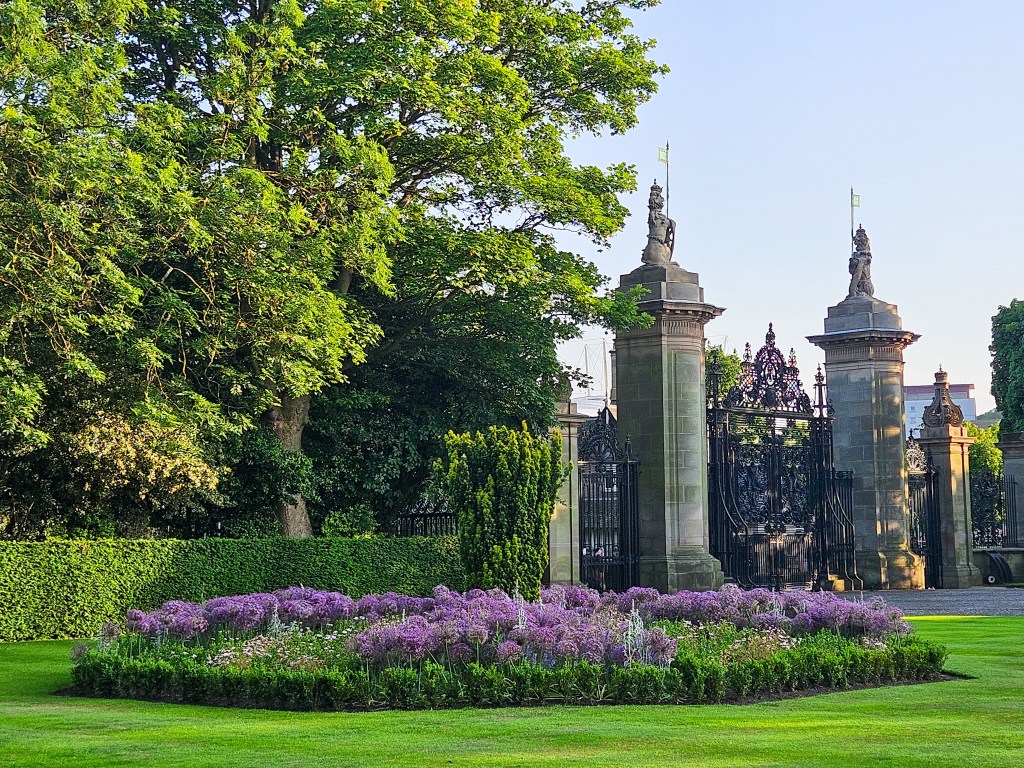
Want to read more about Edinburgh? Check out my post HERE.
What is The Palace of Holyrood House?
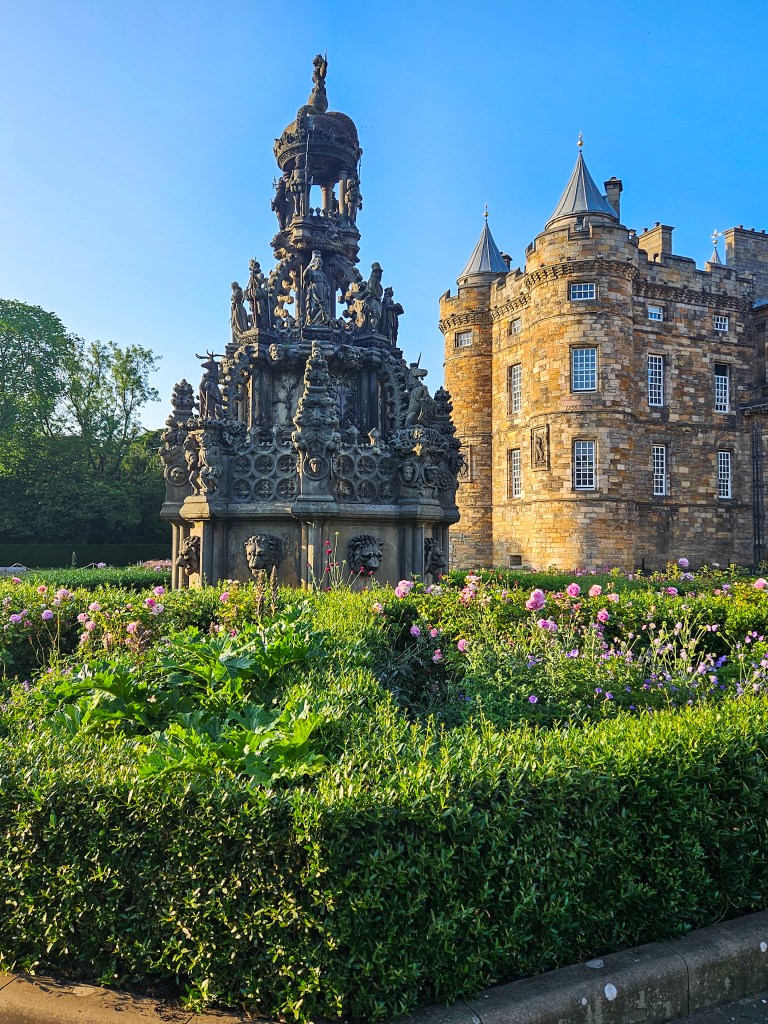
The Palace of Holyroodhouse, commonly known as Holyrood Palace, is the official residence of the British monarch in Scotland, located at the end of the Royal Mile in Edinburgh (at the opposite end to Edinburgh Castle). Its history is rich, complex, and deeply intertwined with the story of Scottish royalty and British monarchy.
Opening Hours:
- April–October: 9:30am–6:00pm (last entry 4:30pm)
- November–March: 9:30am–4:30pm (last entry 3:15pm)
- After Hours Tours: 6:00pm-7:30pm on select days
Prices:
- Adult (25+): £20
- Young Person (18-25): £13
- Child (5-17): £10
- Under 5: Free
- After Hours Tour: £55
Important Note: You cannot take photographs within the Palace
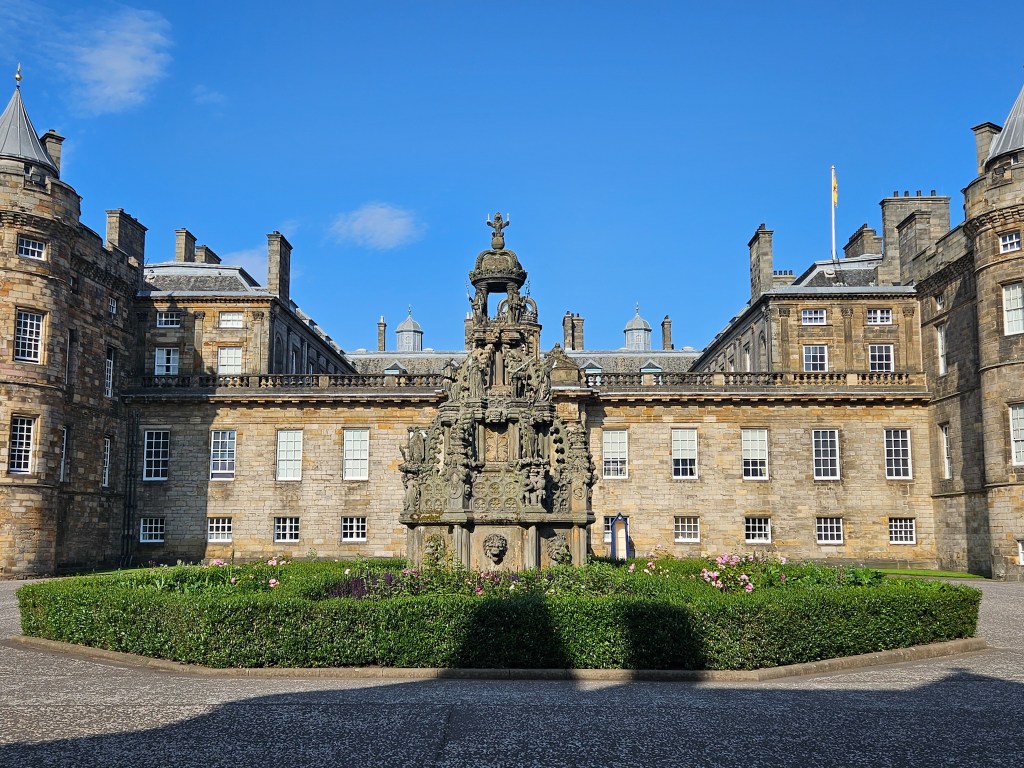
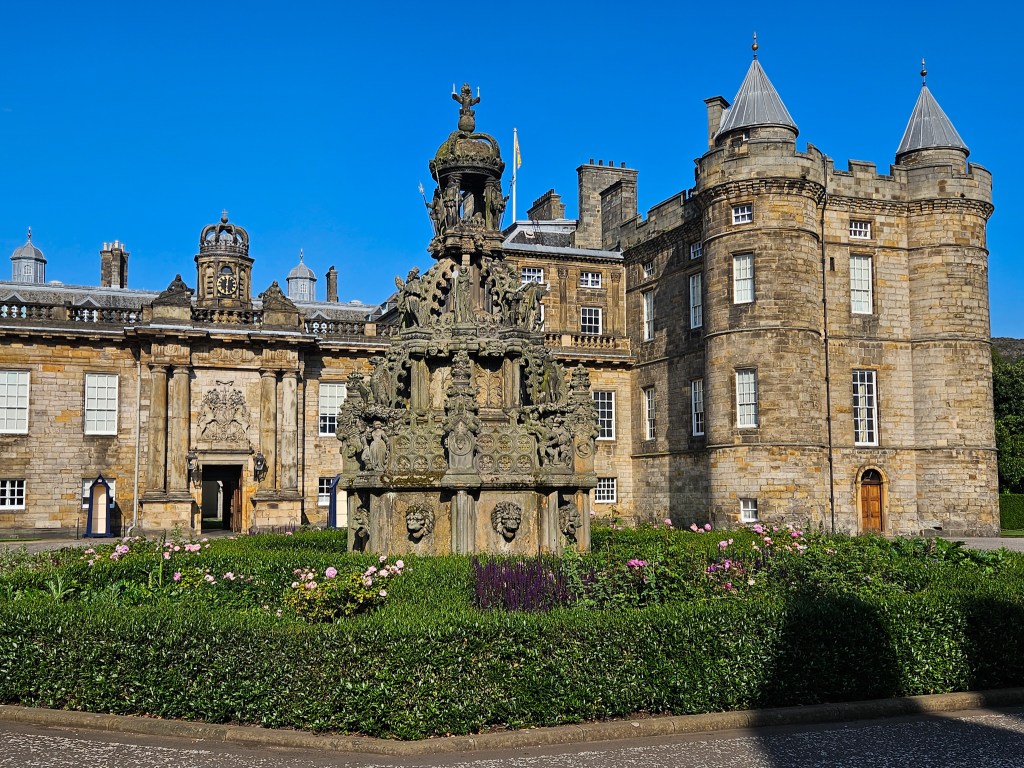
The History of The Palace of Holyrood House
I’m going to take you on the tour via the history of the Palace, as this was the narrative told as we moved through the various rooms and sites in the Palace.
Origins and Early History
- 1128: Holyroodhouse began as a monastery. King David I of Scotland founded Holyrood Abbey, following a vision he supposedly received while hunting. The name “Holyrood” means “Holy Cross.”
- The abbey quickly became a significant religious site and royal retreat.
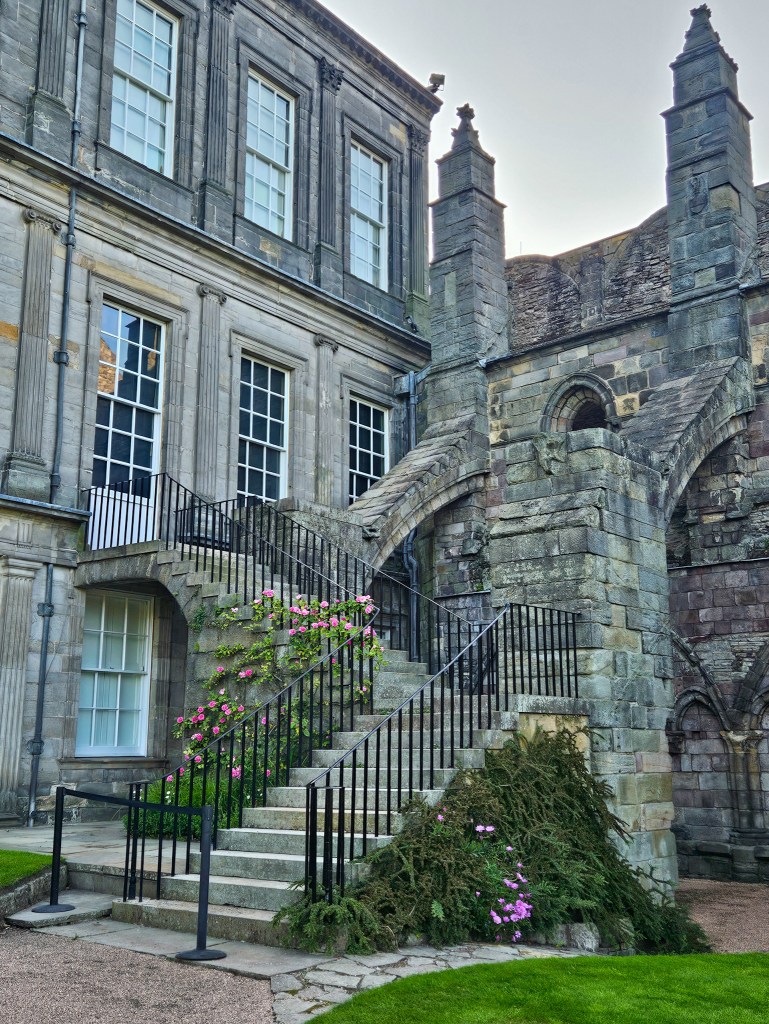
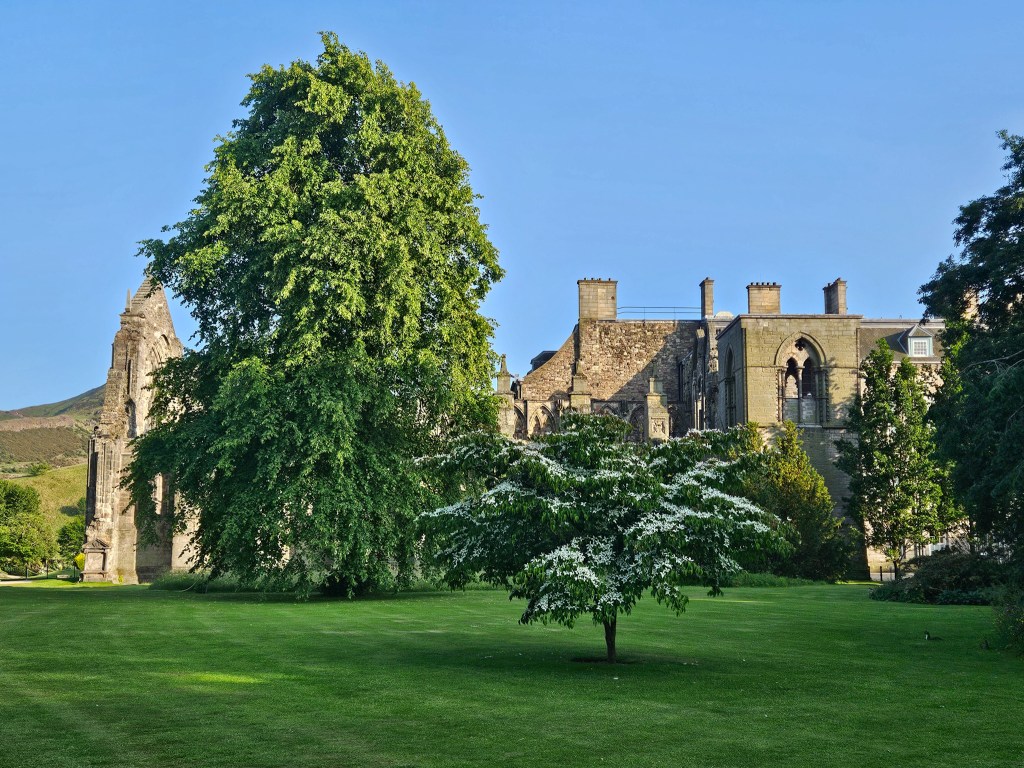
- You can see the dilapidated exterior of the abbey itself on the tour, but you cannot go inside as it’s been designated a rock falling risk.
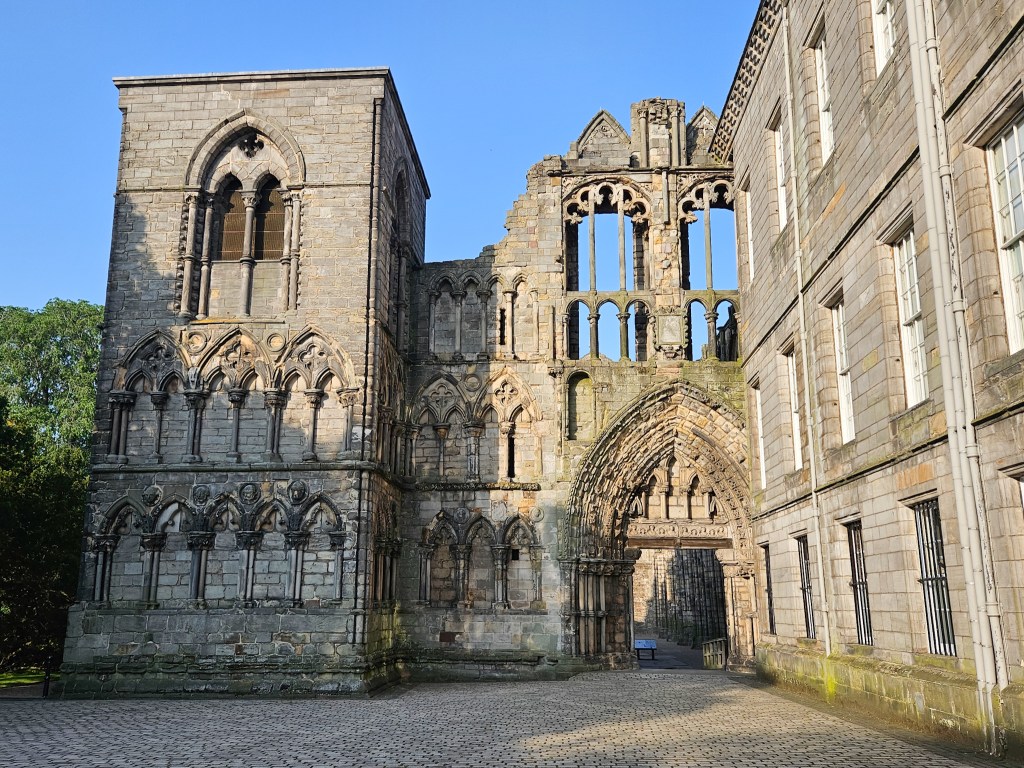
15th to 16th Century: Transformation into a Palace
- Late 1400s: King James IV of Scotland built a guesthouse next to the abbey, which grew into a royal residence. The oldest tower in the Palace still standing today dates back to this time.
- James V, father of Mary, Queen of Scots, added significant royal apartments in the 1520s–30s, creating the core of the present palace.
Mary, Queen of Scots
- Holyroodhouse is famously associated with Mary, Queen of Scots, who lived there between 1561 and 1567.
- Mary was the first female monarch of Scotland, and married a rather nasty man in Lord Darnley, who was hungry for his own power.
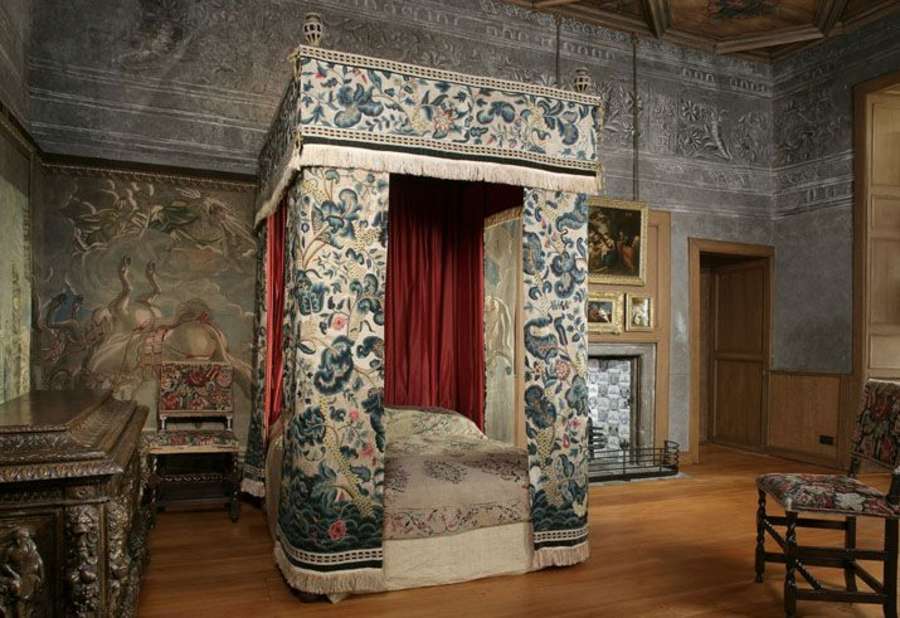
- One of the most dramatic events in the palace’s history occurred in 1566, when Mary’s secretary, David Rizzio, was murdered in her presence by her husband Lord Darnley and his men in the Queen’s apartments. The bloodstains are still be “visible” (I think this is entirely dubious given the floor clearly isn’t original as it had plug sockets in it).
- About a year later, Darnley was himself murdered and long story short, Mary was blamed and forced to abdicate in favor of her infant son, James VI.
- Mary fled to England to seek protection from her cousin, Elizabeth I – but ultimately she was executed; it took 3 strikes of the axe on her neck to kill her.
Union of the Crowns and Later Use
- Mary’s son, James VI, inherited the throne of England when Elizabeth I died childless.
- After 1603, when James VI of Scotland became James I of England, the palace’s role diminished as the royal court moved to London.
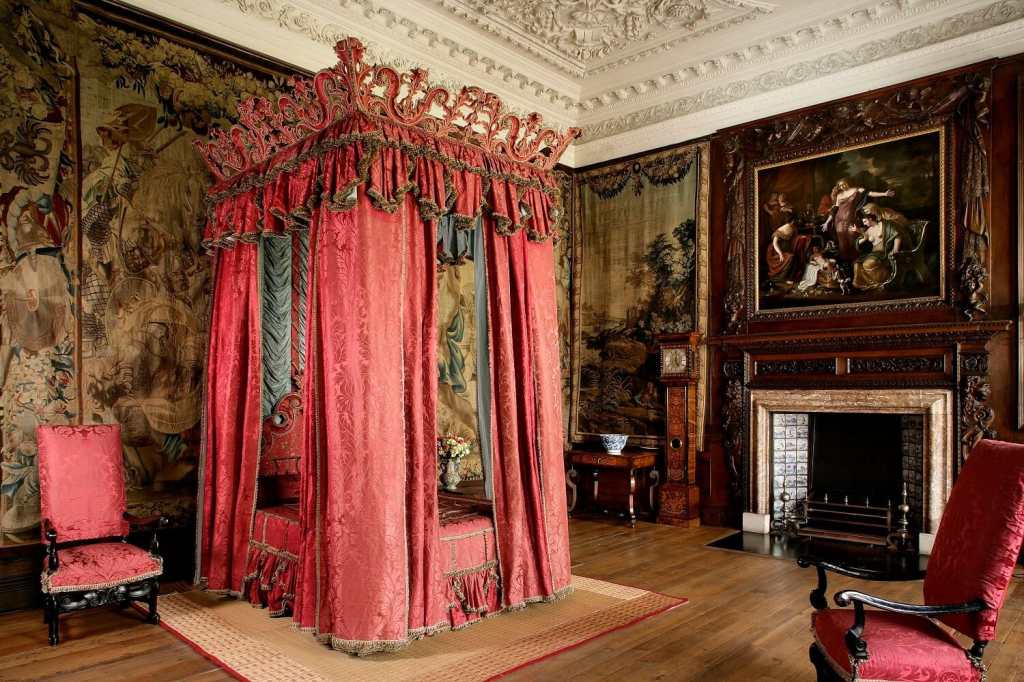
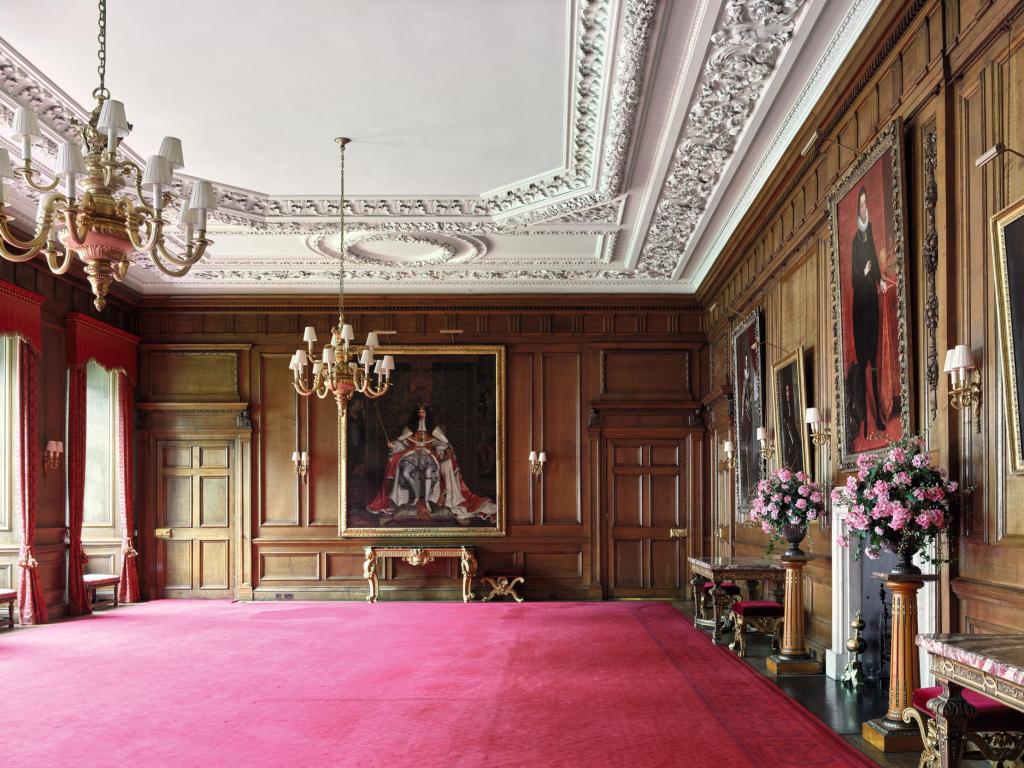
- Despite that, Holyroodhouse remained the monarch’s residence in Scotland and saw various improvements under monarchs like Charles II, who ordered its restoration after damage during the English Civil War.
17th to 19th Century
Skip a couple of generations to James II (James I’s grandson), and we enter another important part of the Palace’s history.
- James II had children with his first wife who were protestant, and a son with his second wife who was catholic.
- James II’s daughters from his first wife became Queens but ultimately died with no descendants (one of them had 19 children but none survived to adulthood!)
- As Britain was firmly protestant, the surviving Catholic son was ignored, and instead they went back up to James II’s sisters and down their lines of descent to find a protestant male heir – enter George I.
- James II’s male line was outraged. Led by Charles Edward Stuart, known as “Bonnie Prince Charlie” (grandson of James II), the “Jacobite” rebels tried to put Charles on the throne, and briefly succeeded – holding court at Holyroodhouse for six weeks in 1745.
- Ultimately the Jacobite cause was defeated, ending the Stuart line of James II.
- It is from George I that the UK’s current Monarchy is descended.
- Over the next century, the palace saw occasional royal use and began to be opened to the public.
20th and 21st Century
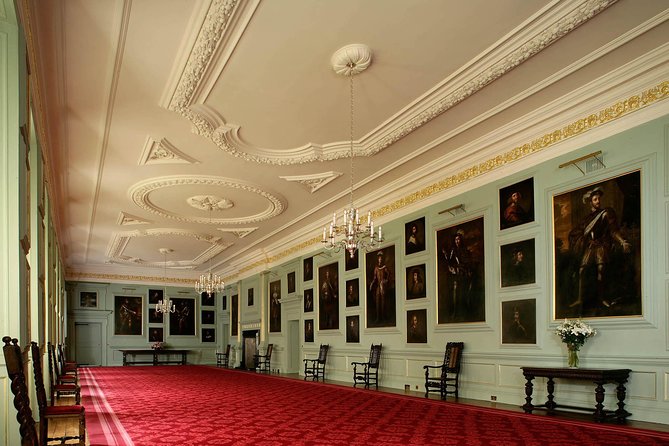
- Queen Elizabeth II traditionally spent one week each summer at the palace, during “Royal Week,” attending official engagements in Scotland.
- I visited just after “Royal Week” 2025, which King Charles attended.
- The palace is still actively used for state ceremonies, investitures, and receptions.
- Holyroodhouse is managed by the Royal Collection Trust and is open to the public year-round, except when the monarch is in residence.
- It remains a powerful symbol of monarchy, history, and Scottish identity.
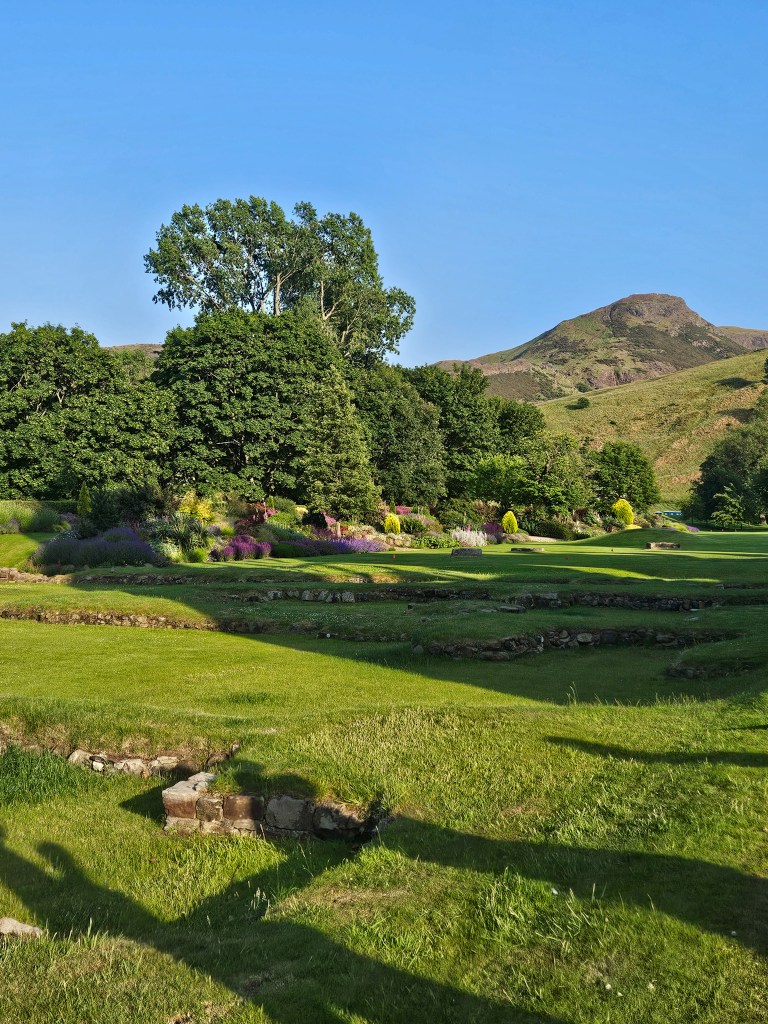
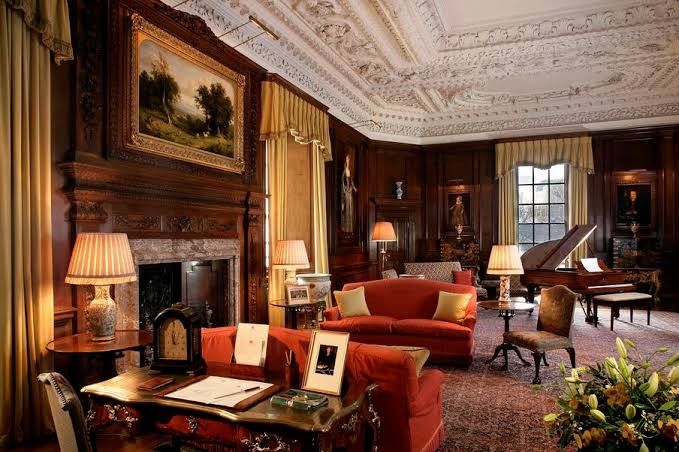
Extra Bonus: Whilst the visit and after hours tour normally only focus on the state apartments (no longer used by the Monarchy), I was lucky in that on my visit I was able to visit the West Drawing Room, which is still used today by the King and Queen as a sitting room.
And with that my time in Scotland came to a close and it was time for me to head home. Given that in 2025 so far I’ve only had 6 days off due to my work project being all consuming, this change of scene was much needed just to break things up (even if it was for work), and I thoroughly enjoyed my stay in Edinburgh. I hope you did too!
And on that note, my horrendously awful 4 year massive systems project finally went “live” on Monday this week. I’ve been working all hours, and I’m currently working 20 hour days at the moment, so I’m truly exhausted. That said, I feel a huge sense of achievement and I am so incredibly proud of my team. Over 100 of us have worked so hard to get this done – an overhaul of all our systems.
And a huge thank you to MTH who has quite literally done EVERYTHING, including all the cooking, cleaning, life admin and even waiting up for me with a hot water bottle and a hug until I’m home safe at 2am.
As always, stay safe and happy travelling!


 Travelling Han
Leave a comment